
Psychiatric Abuse
Politics of Language: Sera Davidow

How do psychiatric labels shape our perceptions of others – and ourselves? Are there better ways to understand emotional distress? Does the “peer movement” offer real alternatives — or present new problems? Sera Davidow, psychiatric survivor, director of the peer-run Western Mass Recovery Learning Community (RLC), and co-producer of the new film “Beyond the Medical Model,” discusses the politics of language and innovative programs to truly help people in distress.
http://www.westernmassrlc.org
http://www.madinamerica.com/author/sdavidow/
Coming Off Psych Meds: Laura Delano
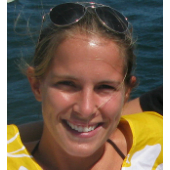
What do you do when medications for your emotional problems become worse than the problems themselves? Laura Delano went to a psychiatrist at age 18, and for the next decade was prescribed nineteen different psychiatric drugs. After devastating physical and emotional effects, she began a journey to become medication free — and re-discover who she is. What lessons did she learn?
Laura blogs regularly about her experiences at Mad in America, works for a mental health agency in Massachusetts, and is an advocate for drug alternatives and safe withdrawal.
http://www.madinamerica.com/author/ldelano/
(Link to coming off meds guide: http://willhall.net/comingoffmeds/)
Chemical Crucifixion: Grainne Humphrys
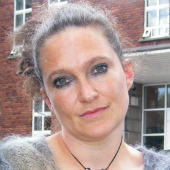
Could a young man’s overwhelming visions of Christ and apocalypse be a creative response to life trauma, rather than signs of paranoid schizophrenia? Does madness unfold differently depending on whether it is supported – or feared?
Irish activist and punk musician Grainne Humphrys, herself a survivor of an extreme state, discusses the campaign for the release of former partner John Hunt. John has been incarcerated and drugged against his will since 2005, sparking international outcry.
http://freejohn-loverevolutionary.blogspot.com
http://www.mindfreedomireland.com
Dignity of Elders: Carole Hayes-Collier
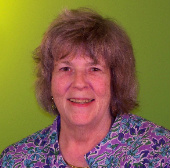
Why are nearly a third of all elders in nursing homes given anti-psychotic drugs, despite life threatening side effects? Are medications being used as chemical restraints? Can nursing homes be places of dignity — or should they be abolished?
Carole Hayes-Collier was diagnosed schizophrenic at 19 and left to a lifetime of hospitalization. When she recovered, the abuses she witnessed inspired her to join the Gray Panthers and dedicate her life to elder rights and mental health.
http://graypanthers.org
http://online.wsj.com/article/SB119672919018312521.html
http://www.canhr.org/stop-drugging
Talking About Suicidal Feelings: David Webb
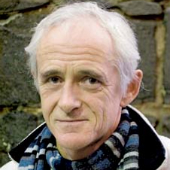
How common are suicidal feelings? Is a psychiatric illness behind suicidal despair — or a meaningful and even spiritual life crisis? Does forced hospitalization really provide help?
Suicide attempt survivor David Webb, author of Thinking About Suicide: Contemplating and Comprehending the Urge to Die, discusses how speaking openly about suicidal feelings, rather than reacting with panic and fear, is the best form of suicide prevention.
http://www.jungcircle.com/DWebb.html
http://thinkingaboutsuicide.org
Therapy for Psychosis: Daniel Mackler
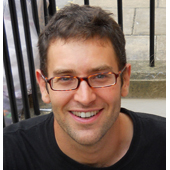
Can therapy reach people in extreme states of “psychosis” — without using medications? Do we need to give a diagnosis to help someone? Why are counselors afraid to listen to their “mad” clients?
New York psychotherapist and filmmaker Daniel Mackler discusses how be defied social work training in his work with people labeled with schizophrenia and bipolar, and what he learned from recent visits to successful treatment alternatives in Northern Europe. Daniel is the filmmaker of Take These Broken Wings and co-author with Matthew Morrissey of A Way Out of Madness.
Prison Mental Health: Terry Kupers
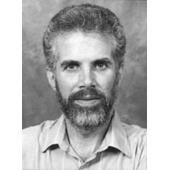
The US incarcerates more people than any country in the world – and 70% are people of color. Do we need better mental health care inside prisons — or do prisons themselves cause trauma and madness?
Psychiatrist and civil lawsuit expert witness Dr.Terry Kupers, author of Prison Madness: The Mental Health Crisis Behind Bars and What We Must Do About It, discusses overcrowding, racism, sensory deprivation, isolation, and sexual abuse in the disgraceful US prison system.
http://www.afsc.org/stopmax
http://www.criticalresistance.org
http://www.aclu.org/prisoners-rights
Schizophrenia Psychotherapy: Catherine Penney
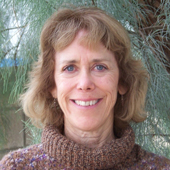
Can a severe, chronic case of “schizophrenia” ever recover? Is psychotherapy an alternative to medications? What role does trauma play in madness?
Hear the inspiring story of how Catherine Penney, RN, was catatonic and locked in a hospital back ward for years, and then emerged to create a new alternative healing community.
http://www.dantescure.com
http://www.desertgathering.com
http://www.iraresoul.com/dvd.html
Survivor Spoken Word: Leah Harris
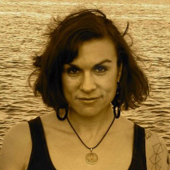
Leah Harris was orphaned after both parents were diagnosed with schizophrenia and died from medication toxicity. Today she is a leading voice in survivor activism, and her powerful spoken word poetry, including “I Was A Teenage Mental Patient,” has been featured in publications including Word Warriors: 35 Women Leaders in the Spoken Word Revolution, and DC Poets against the War: An Anthology. Leah is also the co-coordinator of the US Network of Users and Survivors of Psychiatry.
Buy her new cd “Take Refuge” at the National Empowerment Center: http://bit.ly/7f5kyN
Recovery and Diagnosis: Lisa Darbyshire
How can a chaotic and oppressive family life lead to trauma and extreme states? Do medications and diagnosis provide help, or can they make things worse?
Psychiatric abuse survivor Lisa Darbyshire, Massachusetts organizer with the Freedom Center and the Recovery Learning Community, discusses her personal experiences of hospitalization and recovery, including the struggle with learned helplessness and dependence.
Conscience of Psychiatry: Peter Breggin
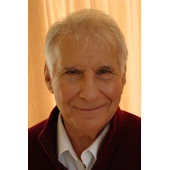
What do modern psychiatric drug treatments have in common with lobotomy? Is informed consent possible when patients’ judgment is impaired by medication? Should psych drugs be banned?
For more than 50 years Dr. Peter Breggin has been a leading crusader against psychiatric abuse, Big Pharma, and medication dangers. His latest book is The Conscience of Psychiatry: The Reform Work of Peter R. Breggin, MD.
Hearing Voices Movement: Jacqui Dillon
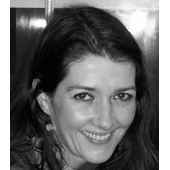
What is it like to hear voices? How do people learn to live with their voices, and are voices sometimes positive and helpful? What is the connection between voices and trauma?
Jacqui Dillon, voice hearer and director of the UK Hearing Voices Network, discusses how the movement of people who hear voices is creating self-help alternatives to traditional and often abusive mental health care.
Electroshock Deception: Linda Andre
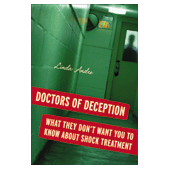
Why is ECT, electroconvulsive therapy or electroshock, so widely used today? How is the ECT industry manipulating research and public perceptions the way tobacco companies did about cigarettes? What are the real dangers of this lobotomy-era treatment?
ECT survivor Linda Andre discusses her groundbreaking new Rutgers University Press book, Doctors of Deception: What They Don’t Want You To Know About Shock Treatment.
Psychologist and Survivor: Author Ronald Bassman
Internationally known advocate, psychiatric abuse survivor organizer, and clinical psychologist Ronald Bassman discusses and reads from his new book, A Fight To Be: A Psychologist’s Experience From Both Sides of the Locked Door.
Ron was diagnosed “paranoid schizophrenic” and left in back wards as a “chronic case,” but has gone on to become a leader in the recovery movement and an inspiring teacher and therapist.
Evolving Minds: Mel Gunasena

UK video activist and writer Mel Gunasena on her mystical experiences and forced psychiatric hospitalization. Mel is the director of Evolving Minds, a documentary film about spiritual experiences and what gets labeled “psychosis” by the mental health system. She also discusses the art therapy project in Sri Lanka she helped found to assist traumatized tsunami-affected children.
See a trailer for the film at http://www.undercurrents.org/minds and check out the Sri Lanka project at http://www.art-2-art.org

















 Creative Commons 2.5 copyright
Recent Comments