
Depression
Refugees and Trauma | Khatera Aslami-Tamplen | Madness Radio

What is it like to flee a war-torn country as a child? What lasting psychological effects do refugees face? Can peer support and trauma informed care lead to lasting recovery? Khatera Aslami Tamplen, an Afghan-American and the Consumer Empowerment Manager for Alameda CountyBehavioral Health Services in California discusses war trauma, the activist struggle to end involuntary commitment, and the value of letting people have a say in their own mental health recovery. pocc.org/ https://copelandcenter.com/facilitators/khatera-aslami
Economic Austerity and Mental Health | Mary O’Hara | Madness Radio

Is mental health about individual diseases, or the health of communities and countries as a whole? How do economic policies after the 2008 crisis impact disability rights, suicide rates, and community wellbeing? Are cuts in social spending really necessary for economic growth, or do they cause more problems in the long run?
Guardian columnist Mary O’Hara, author of Austerity Bites, discusses the devastating impact of austerity economic policies in Europe, the scapegoating mindset behind social spending cuts, and the dangers of pursuing similar policies in the US and globally. http://www.theguardian.com/profile/maryohara www.austeritybitesuk.com
http://m.mh.bmj.com/content/41/1/40.full
http://bit.ly/Ot9hzg
Lincoln’s Depression | Joshua Wolf Shenk | Madness Radio

Celebrated US President Abraham Lincoln also suffered from life-threatening depression. Did he view his “melancholy” as a treatable illness, as a punishment from God — or as a source of his gifts? How did Lincoln’s extraordinary leadership abilities arise from his struggle with extreme pain?
Joshua Wolf Shenk, author of Lincoln’s Melancholy: How Depression Challenged a President and Fueled His Greatness, explores the famous President’s battle with despair, suicide, and intense sorrow, and discusses what people with depression – and the medical establishment empowered to treat them – can learn from Lincoln’s suffering. www.shenk.net www.theatlantic.com/magazine/archive/2005/10/lincolns-great-depression/304247/ www.theatlantic.com/magazine/archive/2009/06/what-makes-us-happy/307439/ www.shapell.org/manuscript.aspx?lincoln-mccullough-civil-war-condolence
- Show topics:
- Books
- Depression
- History
- Personal Stories
- Suicide
Benzodiazepine Recovery: Matt Samet
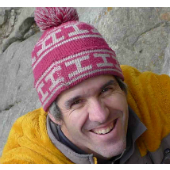
Are Xanax, Klonopin, Ativan and other benzodiazepines really more addictive than heroin? How can these common drugs for anxiety actually worsen the symptoms they’re prescribed to treat? What are the dangers of protracted withdrawal?
Matt Samet, former professional rock climber, Outside Magazine writer, and author of Death Grip: A Climber’s Escape From Benzo Madness, discusses his recovery journey from psychiatric drug addiction.
http://us.macmillan.com/deathgrip/MattSamet
http://www.madinamerica.com/2013/05/matt-samet-climbing-out/
Elders and Forgetfulness: Stan Tomandl

Are elders living with forgetfulness, Alzheimer’s, and dementia unreachable? Are there parallels with states called psychotic? Can meaning be found in the confusion of brain injury and coma?
Stan Tomandl, MA, DiplPW and author of Coma Care & Palliative Work, and An Alzheimer’s Surprise Party: Unveiling the Mystery, Inner Experience, and Gifts of Dementia, explores communicating with memory loss and how to make an end of life transition with dignity.
Exporting Mental Disorders: Ethan Watters

How did pharmaceutical giant Glaxo Smith Kline create “depression” in Japan — and a billion dollar market for its anti-depressant drug Paxil? Why do people diagnosed with schizophrenia recover more in Tanzania than they do in the US? Can western-style psychotherapy help tsunami survivors in Sri Lanka?
Ethan Watters, author of Crazy Like Us: The Globalization of the American Psyche, discusses how mental disorders are cultural products, defined in the US and then exported around the world.
Depression And Oppression: Alisha Ali

Is depression a result of poverty? How can community development and economic empowerment affect mental health?
Psychology professor Alisha Ali discusses the dangers of turning social problems into medical disorders, including bias in diagnosis, limits of “cultural competency” and “anti-stigma” initiatives, and the experiences of immigrant women.
Holistic Drug Alternatives: Gracelyn Guyol
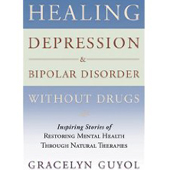
Grace Guyol, diagnosed with bipolar disorder and author of Healing Depression and Bipolar Disorder Without Drugs: Inspiring Stories of Restoring Mental Health Through Natural Therapies, discusses nutrition, supplements, and holistic health care for helping people diagnosed with severe mental illnesses.
GGuyol (at) aol.com
Comfortably Numb: Author Charles Barber

Author Charles Barber talks about his new book Comfortably Numb: How Psychiatry is Medicating a Nation, a history of the rise of psychiatric drug marketing from “mother’s little helper” to today’s 200 million plus anti-depressant prescriptions.
- Show topics:
- Big Pharma
- Books
- Depression
- Drugs
Psychiatric Abuse: Activist Angela Bischoff and Shock Survivor Wayne Lax

Two interviews on psychiatric abuse: Angela Bischoff’s husband Tooker Gomberg died in a suicide after taking anti-depressants; both were prominent Toronto environmental and peace activists. Wayne Lax survived 80 shock treatments and multiple hospitalizations over thirty years.
Today both Angela and Wayne are waging campaigns to reform the mental health system.
Manufacturing Depression: Gary Greenberg

Gary Greenberg, journalist for Harpers, the New Yorker, Rolling Stone and others, discusses being a subject in a clinical drug trial, how depression is manipulated by advertising and Big Pharma, and the social medicalizing of experience.
- Show topics:
- Big Pharma
- Depression

















 Creative Commons 2.5 copyright
Recent Comments