
Race
Refugees and Trauma | Khatera Aslami-Tamplen | Madness Radio
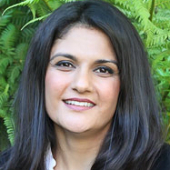
What is it like to flee a war-torn country as a child? What lasting psychological effects do refugees face? Can peer support and trauma informed care lead to lasting recovery? Khatera Aslami Tamplen, an Afghan-American and the Consumer Empowerment Manager for Alameda CountyBehavioral Health Services in California discusses war trauma, the activist struggle to end involuntary commitment, and the value of letting people have a say in their own mental health recovery. pocc.org/ https://copelandcenter.com/facilitators/khatera-aslami
Geography of Madness | Frank Bures | Madness Radio
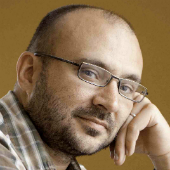
Are beliefs in witchcraft and “voodoo death” not real? Do magical explanations of disease mean people are primitive and less educated? Or are stories and beliefs at the heart of reality for all cultures – including yours?
Frank Bures, author of The Geography of Madness: Penis Thieves, Voodoo Death, and the Search for the Meaning of the World’s Strangest Syndromes, looks beyond travel literature’s colonial superiority and explores how meaning, perception, and belief shape what we think of as “real” in disease and health.
Intergenerational Trauma | Naas Siddiqui | Madness Radio
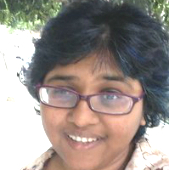
What if psychotic experiences express historical and intergenerational trauma? Does one person’s emotional crisis reach beyond their own individual mind? Could synchronicities and meaningful coincidences guide recovery instead of just being “symptoms”?
Naas Siddiqui, a psychiatric survivor and therapist in training who founded the Spiritual Emergence and other Unusual Experiences student group, descended into altered states after withdrawing from psychiatric medications. She discovered how her Bangladeshi heritage shaped her madness, and found a unique pathway to use her visionary states to heal personal and family trauma.
http://www.madinamerica.com/2015/10/transmuting-historical-trauma/
Exporting Mental Disorders: Ethan Watters

How did pharmaceutical giant Glaxo Smith Kline create “depression” in Japan — and a billion dollar market for its anti-depressant drug Paxil? Why do people diagnosed with schizophrenia recover more in Tanzania than they do in the US? Can western-style psychotherapy help tsunami survivors in Sri Lanka?
Ethan Watters, author of Crazy Like Us: The Globalization of the American Psyche, discusses how mental disorders are cultural products, defined in the US and then exported around the world.
Schizophrenia and Black Politics: Jonathan Metzl

How did the definition of schizophrenia change during the civil rights and Black Power era of the 1960s? Why did a disease primarily affecting withdrawn white housewives suddenly become focused on angry and “paranoid” African American men instead?
Psychiatrist and historian Jonathan Metzl, author of The Protest Psychosis: How Schizophrenia Became a Black Disease, discusses racism and social control in psychiatric diagnosis, and how Black protest was turned into a mental disorder and psychosis was a political tool.
jmetzl(at)umich(dot)edu
http://bit.ly/byOeIw
Prison Mental Health: Terry Kupers
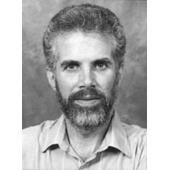
The US incarcerates more people than any country in the world – and 70% are people of color. Do we need better mental health care inside prisons — or do prisons themselves cause trauma and madness?
Psychiatrist and civil lawsuit expert witness Dr.Terry Kupers, author of Prison Madness: The Mental Health Crisis Behind Bars and What We Must Do About It, discusses overcrowding, racism, sensory deprivation, isolation, and sexual abuse in the disgraceful US prison system.
http://www.afsc.org/stopmax
http://www.criticalresistance.org
http://www.aclu.org/prisoners-rights
Depression And Oppression: Alisha Ali

Is depression a result of poverty? How can community development and economic empowerment affect mental health?
Psychology professor Alisha Ali discusses the dangers of turning social problems into medical disorders, including bias in diagnosis, limits of “cultural competency” and “anti-stigma” initiatives, and the experiences of immigrant women.
Live Through This Anthology: Sabrina Chapadjiev
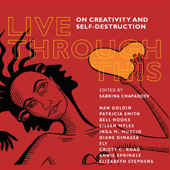
Editor Sabrina Chapadjiev discusses the new Seven Stories Press anthology Live Through This: On Creativity and Self Destruction, a rich collection of women artists sharing intimate accounts of cutting, alcoholism, suicide, abuse, madness and other self harm and how it relates to their creativity.
Authors include bell hooks, Bonfire Madigan Shive, Patricia Smith, Annie Sprinkle, Inga Muscio, Kate Bornstein, and Nicole Blackman.
Black Mental Health UK: Philip Morgan
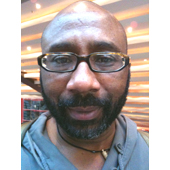
Blacks in the UK are much more likely than white people to be locked up, put on drugs, and mistreated in the mental health system.
Social scientist Philip Morgan of London’s Tower Hamlets African and Caribbean Mental Health Organization (THACMHO) discusses the legacy of slavery, survivor-run advocacy for system change, and an innovative project reclaiming Black identity through historical research.
Tim Wise: Psychology Of Racism

Tim Wise, internationally recognized writer and activist, on racism, white privilege, and the psychology of discrimination.
- Show topics:
- Race

















 Creative Commons 2.5 copyright
Recent Comments