
Drugs
Sex Drugs Harm Reduction | Caty Simon | Madness Radio
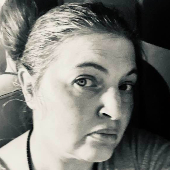
How do decriminalizing drug use and sex work advance mad liberation? What lessons can psychiatric survivors learn from the harm reduction movement? Caty Simon’s activist leadership spans the low-income rights, psychiatric survivors, sex worker, and drug users union movements, and she was a key organizer at Freedom Center in Western Massachusetts. Caty is on the leadership team of National Survivors Union (NSU), the US drug users union; is a founding co-organizer of Whose Corner Is It Anyway, a mutual aid group by and for low-income, street, and survival sex workers who use opioids and/or stimulants and/or experience housing insecurity; and leads Narcofeminism Storyshare, a collaborative autobiographical story development and key publics training stigma reduction project at NC Survivors Union, the flagship affiliate group of NSU. Caty is currently a research assistant at the Yale School of Medicine, and in 2023 received the International Drug Policy Reform Conference’s Alfred R. Lindesmith Award. Caty reunites with longtime colleagues and Madness Radio co-hosts Jacks McNamara and Will Hall to talk about psychiatric incarceration and her 20 years experience in the harm reduction movement for drug user, sex worker, and mad people liberation. (Transcript) 58 min version
To contact Caty: caty@urbansurvivorsunion.org
The principles of harm reduction, as defined by the National Harm Reduction Coalition: https://harmreduction.org/
Whose Corner Is It Anyway crowdfund: https://www.gofundme.com/f/
Caty’s research publications on Google Scholar: https://scholar.google.com/
A Contemporary Drug Problems journal article on the Narcofeminism Storyshare project: https://bit.ly/3OMVdRz
NC Survivors Union website: https://www.ncsurvivorsunion.
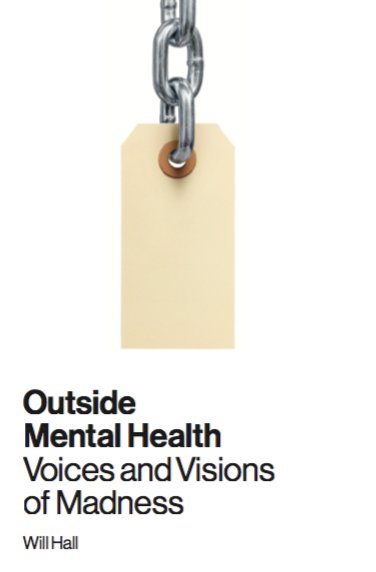
Caty Simon chapter in Outside Mental Health: Voices and Visions of Madness https://bit.ly/42mRWQL
A series of interviews with late Arise for Social Justice Executive Director Michaelann Bewsee, discussed in the interview, from the Smith College Collection: https://smith.hosted.panopto.
Podcast: Play in new window | Download (0.2KB)
Subscribe: RSS
Crazy or Religious? | Alison Smith | Madness Radio
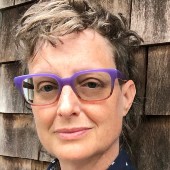
Does hearing God’s voice make you mentally ill? Will psychiatry help you cope with grief and rejection – or make things worse? After a distressing romantic breakup Alison Smith went to her college clinic for help – and was locked up, drugged, and labeled psychotic. Positive and mysterious voices – including visions of Jesus – suddenly turned dark and persecutory, and Alison was driven into psychiatry-induced madness. Co-hosts Will Hall and Jacks McNamara join Alison to discuss religious voices – and psychiatric violence to suppress them. Alison’s writing has appeared in Granta, Real Simple, and PBS’s Stories from the Stage, and her acclaimed memoir Name All the Animals was named a ten best books of the year by People magazine (yes, that People magazine). A coming of age story, Name All the Animals opens on the day Alison’s brother died in a car crash and explores themes of grief, faith and sexuality. Alison lives in Northampton, MA and is working on a new memoir about hearing voices. www.namealltheanimals.com Transcript 58 min version
Podcast: Play in new window | Download (0.2KB)
Subscribe: RSS
Consent Not Required | Rob Wipond | Madness Radio
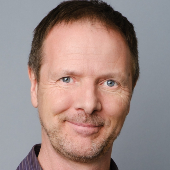
Read this book! Is discriminating against people who have — or are labeled with — psychiatric disabilities ever justified? Is denying equality before the law necessary in times of crisis – or does it open the door to widespread abuse and violence? Journalist and community development activist Rob Wipond’s new book Your Consent Is Not Required: The Rise in Psychiatric Detentions, Forced Treatment, and Abusive Guardianships is a devastating investigative exposé of the normalized assault, kidnapping, and torture that is forced psychiatric treatment. It is hard to conclude anything other than this abusive practice must be brought to an end. So what can be done? Rob and Will Hall discuss these issues and more, and delve into what voluntary alternatives are possible — and how to stop the current dominant medicalized system from suppressing these alternatives. Rob has written a blistering account of some of psychiatry’s biggest lies; please read this book (if you can – advisory of upsetting content), join the abolition movement, and help sound the alarm to finally put an end to forced treatment based on disability. (58 min version) (transcript)
https://robwipond.com/
Podcast: Play in new window | Download (0.2KB)
Subscribe: RSS
Psychedelic Therapy Abuse: Ending the Silence | Will Hall | Madness Radio
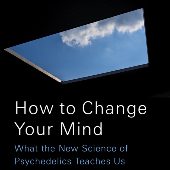
The essay from Mad In America Sept 2021 “Ending The Silence Around Psychedelic Therapy Abuse”, read by Will Hall:
Michael Pollan’s hugely influential new book on psychedelic medicine, How to Change Your Mind, is overly enthusiastic and largely uncritical. All the new hype and questionable science about miracle treatments as the next wave of cures for mental disorders leaves out huge risks, including the risk of therapy abuse…
Also check the companion essay with more detail about my personal experience with psychedelic therapists Aharon Grossbard and Francoise Bourzat of the Center for Consciousness Medicine at www.medium.com/@willhall, with updates and links at the end of that essay.
Medication Withdrawal | Adele Framer | Madness Radio
Survivingantidepressants.org is one of the leading and longest running communities of mutual and and peer self-help around psychiatric drug withdrawal. Adele Framer – alto strata – founded the site in 2011 and shares her experience and learning on supporting people coming off antidepressants, mood stabilizers, antipsychotics, benzodiazepines and other medications, including the emerging field of psychiatric medication withdrawal research. (Special thanks to Oddball Magazine for production assistance.) (Alternate 58 min version here.)
www.survivingantidepressants.org
Podcast: Play in new window | Download (0.2KB)
Subscribe: RSS
- Show topics:
- Alternatives
- Coming Off Meds
- Community
- Drugs
Second Story Hospital Alternative | Adrian Bernard | Madness Radio

http://www.santacruz.com/news/busting_the_mental_illness_myths.html
https://www.facebook.com/2ndStoryRespite/
www.youtube.com/watch?v=GtjP2nn6Nss
www.youtube.com/watch?v=c7_q3F5bNyk
www.youtube.com/watch?v=ctoziyxsZwE&authuser=0
www.psychosissummit.com/copy-of-charles-heriot-maitland
Life After Psych Meds | Laura Delano | Madness Radio
How can people come off psychiatric medications in the safest way? What are the key lessons and vital ingredients for leaving psychiatric care? Is there life after meds? Laura Delano spent 14 years as a psychiatric patient before she left behind her psychiatric diagnoses and reclaimed herself. Today she is Director of the Inner Compass Initiative and The Withdrawal Project, working to support drug withdrawal and build community beyond the mental health system. www.theinnercompass.org withdrawal.theinnercompass.org https://bit.ly/2ISZuzh
withdrawal.theinnercompass.org/preparewithdrawal theinnercompass.org/page/twp-connect
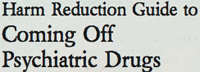
Audiobook: Coming Off Psychiatric Medications Harm Reduction Guide
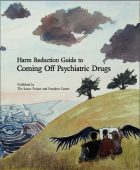
Now available as an audiobook! Based in more than 10 years work in the peer support movement,The Icarus Project and Freedom Center’s 52-page guide is used internationally by individuals, families, professionals, and organizations to support reducing and coming off psychiatric drugs. Includes info on mood stabilizers, anti-psychotics, anti-depressants, anti-anxiety drugs, risks, benefits, wellness tools, psychiatric drug withdrawal, information for people staying on their medications, and much more. Audiobook read by Guide author Will Hall.
A ‘harm reduction’ approach means not being pro- or anti- medication, but supporting people where they are at to make their own decisions. Written by Will Hall, with a 55-member health professional Advisory Board, more than 50 collaborators involved in developing and editing, and now available in 14 languages.
The Guide and this audiobook are Creative Commons copyright and you have advance permission to link, copy, broadcast, and distribute. (Text version here: www.willhall.net/comingoffmeds).
Download the Audiobook here (rt/cntrl-click save as).
Podcast: Play in new window | Download (Duration: 2:03:07 — 113.2MB)
Subscribe: RSS
- Show topics:
- Books
- Coming Off Meds
- Drugs
Medical Coercion: Tomi Gomory
If madness isn’t like other illnesses, what is it? Should psychiatry have the power of legal coercion? How can the legacy of Thomas Szasz inform new ways of helping people?
Tomi Gomory, associate professor of social work at Florida State University and co-author of Mad Science: Psychiatric Coercion, Diagnosis, and Drugs, explores thinking beyond the medical model of emotional distress.
Benzodiazepine Recovery: Matt Samet
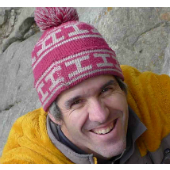
Are Xanax, Klonopin, Ativan and other benzodiazepines really more addictive than heroin? How can these common drugs for anxiety actually worsen the symptoms they’re prescribed to treat? What are the dangers of protracted withdrawal?
Matt Samet, former professional rock climber, Outside Magazine writer, and author of Death Grip: A Climber’s Escape From Benzo Madness, discusses his recovery journey from psychiatric drug addiction.
http://us.macmillan.com/deathgrip/MattSamet
http://www.madinamerica.com/2013/05/matt-samet-climbing-out/
Unmaking Diagnosis: Gary Greenberg
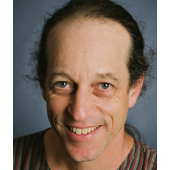
Why did the fifth edition of the Diagnostic and Statistic Manual become so controversial? Is it possible to alleviate human suffering without classifying it as a mental disorder?
Gary Greenberg, psychotherapist, author of Manufacturing Depression and The Book of Woe: The DSM and the Unmaking of Psychiatry, and journalist for Harper’s, the New Yorker, and Rolling Stone, discusses the politics behind psychiatry’s new Bible.
Meaning of Medications: David Cohen

Why does the same psychiatric drug help one person – but harm another? Do psychiatric medications “work” by chemistry alone – or through expectation, placebo, and social factors? What is the difference between prescribed medications and mind altering substances like alcohol?
David Cohen, social work professor at Florida International University and co-author of Your Drug May Be Your Problem, discusses the role of social context in constructing how we experience psychiatric medications.
http://www.criticalthinkrx.org
http://bit.ly/15tSAXH
http://rscphsw.fiu.edu/social_work/faculty_cohen.html
Coming Off Psych Meds: Laura Delano
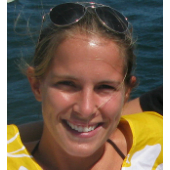
What do you do when medications for your emotional problems become worse than the problems themselves? Laura Delano went to a psychiatrist at age 18, and for the next decade was prescribed nineteen different psychiatric drugs. After devastating physical and emotional effects, she began a journey to become medication free — and re-discover who she is. What lessons did she learn?
Laura blogs regularly about her experiences at Mad in America, works for a mental health agency in Massachusetts, and is an advocate for drug alternatives and safe withdrawal.
http://www.madinamerica.com/author/ldelano/
(Link to coming off meds guide: http://willhall.net/comingoffmeds/)
Dignity of Elders: Carole Hayes-Collier
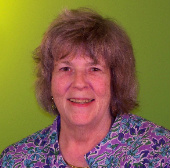
Why are nearly a third of all elders in nursing homes given anti-psychotic drugs, despite life threatening side effects? Are medications being used as chemical restraints? Can nursing homes be places of dignity — or should they be abolished?
Carole Hayes-Collier was diagnosed schizophrenic at 19 and left to a lifetime of hospitalization. When she recovered, the abuses she witnessed inspired her to join the Gray Panthers and dedicate her life to elder rights and mental health.
http://graypanthers.org
http://online.wsj.com/article/SB119672919018312521.html
http://www.canhr.org/stop-drugging
Exporting Mental Disorders: Ethan Watters
How did pharmaceutical giant Glaxo Smith Kline create “depression” in Japan — and a billion dollar market for its anti-depressant drug Paxil? Why do people diagnosed with schizophrenia recover more in Tanzania than they do in the US? Can western-style psychotherapy help tsunami survivors in Sri Lanka?
Ethan Watters, author of Crazy Like Us: The Globalization of the American Psyche, discusses how mental disorders are cultural products, defined in the US and then exported around the world.
















 Creative Commons 2.5 copyright
Recent Comments