
Alternatives
Elders and Forgetfulness: Stan Tomandl
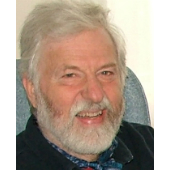
Are elders living with forgetfulness, Alzheimer’s, and dementia unreachable? Are there parallels with states called psychotic? Can meaning be found in the confusion of brain injury and coma?
Stan Tomandl, MA, DiplPW and author of Coma Care & Palliative Work, and An Alzheimer’s Surprise Party: Unveiling the Mystery, Inner Experience, and Gifts of Dementia, explores communicating with memory loss and how to make an end of life transition with dignity.
Unmaking Diagnosis: Gary Greenberg
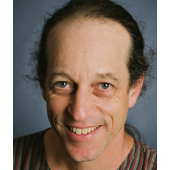
Why did the fifth edition of the Diagnostic and Statistic Manual become so controversial? Is it possible to alleviate human suffering without classifying it as a mental disorder?
Gary Greenberg, psychotherapist, author of Manufacturing Depression and The Book of Woe: The DSM and the Unmaking of Psychiatry, and journalist for Harper’s, the New Yorker, and Rolling Stone, discusses the politics behind psychiatry’s new Bible.
Politics of Language: Sera Davidow
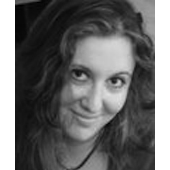
How do psychiatric labels shape our perceptions of others – and ourselves? Are there better ways to understand emotional distress? Does the “peer movement” offer real alternatives — or present new problems? Sera Davidow, psychiatric survivor, director of the peer-run Western Mass Recovery Learning Community (RLC), and co-producer of the new film “Beyond the Medical Model,” discusses the politics of language and innovative programs to truly help people in distress.
http://www.westernmassrlc.org
http://www.madinamerica.com/author/sdavidow/
Queer Poetry Inbetweenland: Jacks McNamara
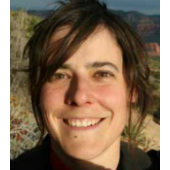
Is trauma also a source of creative inspiration? Can sexual passion be a force for healing? And do we have to live in either/or boxes — or is there somewhere else?
Artist and activist Jacks McNamara, co-founder of the Icarus Project radical support community, discusses their recently-published anthology Inbetweenland, including poetry about being a genderqueer person, surviving with a broken heart, and how to travel the path from madness to the wounded healer.
http://www.ashley-mcnamara.net
http://www.theicarusproject.net
http://www.crookedbeauty.com
Multiple Worlds: Anusuya StarBear
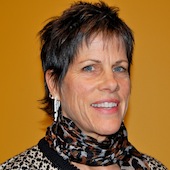
Is it possible to navigate the “multiple worlds” that emerge during psychotic experiences? Are voices and altered states also like a shamanic journey, needing guidance to find your way?
Anusuya StarBear has heard voices and gone through altered states her whole life. A tragic near-death experience 20 years ago left her with severe and chronic physical pain — and the calling to be a healer. Today visionary painting and Native American spirituality transform her pain into a creative pathway as a Process Oriented therapist, coach, and energy healer.
Madness and Renewal: Michael Cornwall
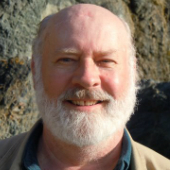
What if people struggling with madness could explore their emotions in a supportive sanctuary? Do frightening ‘psychotic’ experiences have the power to transform and heal? Is breakdown also breakthrough?
Michael Cornwall became a therapist after surviving his own crisis — without medication or psychiatric treatment. For more than 30 years he has worked in the tradition of Carl Jung and R.D. Laing to support people to go through psychotic states in medication-free community settings, including John Weir Perry’s Diabasis House in the 1970s.
http://www.madinamerica.com/author/mcornwall/
http://altmentalities.files.wordpress.com/2012/02/michael-cornwall-diss.pdf (PDF)
Coming Off Psych Meds: Laura Delano
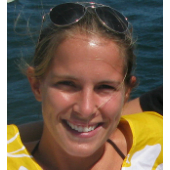
What do you do when medications for your emotional problems become worse than the problems themselves? Laura Delano went to a psychiatrist at age 18, and for the next decade was prescribed nineteen different psychiatric drugs. After devastating physical and emotional effects, she began a journey to become medication free — and re-discover who she is. What lessons did she learn?
Laura blogs regularly about her experiences at Mad in America, works for a mental health agency in Massachusetts, and is an advocate for drug alternatives and safe withdrawal.
http://www.madinamerica.com/author/ldelano/
(Link to coming off meds guide: http://willhall.net/comingoffmeds/)
Bipolar Children: Sharna Olfman

Why are so many children being diagnosed bipolar? Do medications treat disease – or just keep children under control? What else can parents do when faced with difficult behavioral problems?
Sharna Olfman, Psychology Professor at Point Park University and editor of the book Bipolar Children, discusses the growing social and economic pressures to label children bipolar.
Amazonian Healing: Metsa Niwue
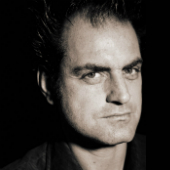
Shamans of the Amazon jungle heal the spirit by communicating with plants and singing people back to health. Can indigenous medicine, including the psychedelic ayahuasca, help anxiety, depression, and addiction? What do healers of Peru have to teach us about mental health?
Metsa Niwue, a curandero who has studied for more than sixteen years with the Shipibo and Quechua Lamista peoples, discusses the promise and potential dangers of traditional Amazonian plant medicine for the west. (transcript)
http://vegetalismo.org
http://www.neip.info/upd_blob/0000/982.pdf
Talking About Suicidal Feelings: David Webb
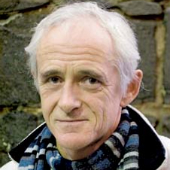
How common are suicidal feelings? Is a psychiatric illness behind suicidal despair — or a meaningful and even spiritual life crisis? Does forced hospitalization really provide help?
Suicide attempt survivor David Webb, author of Thinking About Suicide: Contemplating and Comprehending the Urge to Die, discusses how speaking openly about suicidal feelings, rather than reacting with panic and fear, is the best form of suicide prevention.
http://www.jungcircle.com/DWebb.html
http://thinkingaboutsuicide.org
Physics, Dreaming and Extreme States: Arnold Mindell
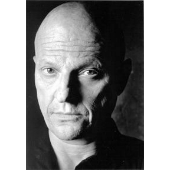
What is reality? Why do people in extreme states feel connected to the universe, and experience uncanny and even supernatural events? Does quantum physics have something to teach us about madness? What if therapists were like indigenous tribal shamans, entering into clients’ “psychotic” worlds as if stepping into a dream?
Arnold Mindell studied with pioneering scientists Richard Feynman and Norbert Wiener and then became a Jungian therapist and founder of Process Oriented Psychology. He discusses his more than 40 years of work with individuals and groups, including people diagnosed with psychosis, and the ancient belief in a purposeful dreaming reality behind everyday events.
http://www.aamindell.net/blog/books#arny
http://www.processwork.org/
http://www.sonic.net/~billkirn/mindell_interview.html
Therapy for Psychosis: Daniel Mackler
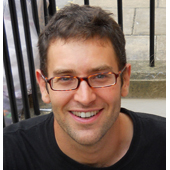
Can therapy reach people in extreme states of “psychosis” — without using medications? Do we need to give a diagnosis to help someone? Why are counselors afraid to listen to their “mad” clients?
New York psychotherapist and filmmaker Daniel Mackler discusses how be defied social work training in his work with people labeled with schizophrenia and bipolar, and what he learned from recent visits to successful treatment alternatives in Northern Europe. Daniel is the filmmaker of Take These Broken Wings and co-author with Matthew Morrissey of A Way Out of Madness.
Icarus Project: Sascha DuBrul
How did the New York underground of punk rock music, squatting, and homeless protest give rise to a thriving and innovative peer-run mental health community? Are there creative gifts to be found in the depths of madness? Does the future of Mad Pride lie in the joining of activism with spirituality?
Icarus Project co-founder Sascha Altman DuBrul discusses his escape into apocalyptic visions and psychiatric hospitals, and how he was inspired to challenge the identity of bipolar disorder.
scatter(at)theicarusproject(dot)net
http://www.theicarusproject.net
Open Dialogue Alternative: Mary Olson
Is a ‘psychotic’ crisis inside one person’s mind — or does it happen between people, in their relationship? Can therapy untangle the web of madness by addressing the family, providers, and entire social network?
Smith College social worker and Fulbright scholar Mary Olson discusses the innovative work of Jaakko Seikkula and colleagues’ Open Dialogue Approach in Finland, which has achieved dramatic success helping people through extreme states labeled ‘psychosis’ and ‘schizophrenia’ — while relying much less on medication and hospitalization.
http://www.dialogicpractice.net
http://beyondmeds.com/2010/01/04/alternative-for-psychosis
http://www.willhall.net/opendialogue
Violent Voices: Erica van den Akker
People who hear voices are no more violent than anyone else — but what about the small number of voice hearers that do actually commit violent crimes? Are medications and locked wards the best way to help those who act on their aggressive “command hallucinations?” What is the relationship between trauma, violence, and voices?
Dutch psychiatric social worker and Hearing Voices Movement member Erica van den Akker discusses her innovative counseling work with violent offenders in the Netherlands.
alpouvar1(at)tomaatnet(dot)nl
















 Creative Commons 2.5 copyright
Recent Comments