
System Abolition
Bipolar Children: Sharna Olfman

Why are so many children being diagnosed bipolar? Do medications treat disease – or just keep children under control? What else can parents do when faced with difficult behavioral problems?
Sharna Olfman, Psychology Professor at Point Park University and editor of the book Bipolar Children, discusses the growing social and economic pressures to label children bipolar.
Healing Veterans: Paula Caplan

How can we truly help combat veterans facing the aftermath of war? Is veteran trauma a sign of mental illness, or a healthy response to violent situations? Are medications and therapy the answer?
Paula Caplan, author of When Johnny and Jane Come Marching Home: How All of Us Can Help Veterans, discusses healing the wounds of war by listening to the stories of veterans in our communities.
http://whenjohnnyandjanecomemarching.weebly.com
http://www.paulajcaplan.net
Talking About Suicidal Feelings: David Webb
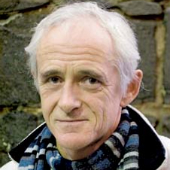
How common are suicidal feelings? Is a psychiatric illness behind suicidal despair — or a meaningful and even spiritual life crisis? Does forced hospitalization really provide help?
Suicide attempt survivor David Webb, author of Thinking About Suicide: Contemplating and Comprehending the Urge to Die, discusses how speaking openly about suicidal feelings, rather than reacting with panic and fear, is the best form of suicide prevention.
http://www.jungcircle.com/DWebb.html
http://thinkingaboutsuicide.org
Therapy for Psychosis: Daniel Mackler

Can therapy reach people in extreme states of “psychosis” — without using medications? Do we need to give a diagnosis to help someone? Why are counselors afraid to listen to their “mad” clients?
New York psychotherapist and filmmaker Daniel Mackler discusses how be defied social work training in his work with people labeled with schizophrenia and bipolar, and what he learned from recent visits to successful treatment alternatives in Northern Europe. Daniel is the filmmaker of Take These Broken Wings and co-author with Matthew Morrissey of A Way Out of Madness.
Prison Mental Health: Terry Kupers

The US incarcerates more people than any country in the world – and 70% are people of color. Do we need better mental health care inside prisons — or do prisons themselves cause trauma and madness?
Psychiatrist and civil lawsuit expert witness Dr.Terry Kupers, author of Prison Madness: The Mental Health Crisis Behind Bars and What We Must Do About It, discusses overcrowding, racism, sensory deprivation, isolation, and sexual abuse in the disgraceful US prison system.
http://www.afsc.org/stopmax
http://www.criticalresistance.org
http://www.aclu.org/prisoners-rights
Schizophrenia Psychotherapy: Catherine Penney

Can a severe, chronic case of “schizophrenia” ever recover? Is psychotherapy an alternative to medications? What role does trauma play in madness?
Hear the inspiring story of how Catherine Penney, RN, was catatonic and locked in a hospital back ward for years, and then emerged to create a new alternative healing community.
http://www.dantescure.com
http://www.desertgathering.com
http://www.iraresoul.com/dvd.html
Autism Self Advocacy: Ari Ne’eman

What does it mean to be autistic, have Asperger’s, or be on the autism spectrum? Is autism a disease to be overcome, or a difference to be embraced? Is autism advocacy like mad pride activism?
Ari Ne’eman, a person on the autism spectrum and director of the Autism Self Advocacy Network, discusses the autism movement’s challenge to what we consider “normal.”
Conscience of Psychiatry: Peter Breggin

What do modern psychiatric drug treatments have in common with lobotomy? Is informed consent possible when patients’ judgment is impaired by medication? Should psych drugs be banned?
For more than 50 years Dr. Peter Breggin has been a leading crusader against psychiatric abuse, Big Pharma, and medication dangers. His latest book is The Conscience of Psychiatry: The Reform Work of Peter R. Breggin, MD.
Paxil On Trial: Alison Bass

When GlaxoSmithKline was caught lying about the risks of its blockbuster anti-depressant Paxil, it set off ongoing investigations. How did New York state take on one of the world’s most powerful companies? Was NY Governor Eliot Spitzer driven out by his corporate enemies?
Pulitzer-nominated Boston Globe journalist Alison Bass, author of Side Effects: A Prosecutor, A Whistleblower, And A Bestselling Antidepressant On Trial, discusses legal battles to clean up drug company corruption, including pay-offs to the National Alliance for the Mentally Ill.
Mad Science Mad Pride: Bradley Lewis

What is the mad movement’s best response to science? How is mad pride different from gay pride? Do we want to become equal with “normal” people — or challenge the idea of normal itself? What about suffering and the risk of romanticizing madness?
Icarus Project organizer, psychiatrist, and theorist Bradley Lewis, author of Moving Beyond Prozac, DSM, and the New Psychiatry: Birth of Postpsychiatry, discusses the identity politics of madness.
http://www.theicarusproject.net
http://www.nyu.edu/gallatin/about/bios/bradley_lewis.html
Our Daily Meds: Melody Petersen
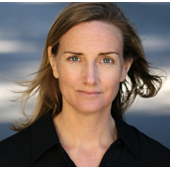
More than 100,000 people die in the US each year from prescription drugs — used as directed by their doctor. How did aggressive marketing make our health care system a cause of widespread sickness? Why haven’t government regulation or medical research been able to protect the public?
New York Times health reporter Melody Petersen discusses her new book, Our Daily Meds: How the Pharmaceutical Companies Transformed Themselves into Slick Marketing Machines and Hooked the Nation on Prescription Drugs.
Hearing Voices Movement: Jacqui Dillon

What is it like to hear voices? How do people learn to live with their voices, and are voices sometimes positive and helpful? What is the connection between voices and trauma?
Jacqui Dillon, voice hearer and director of the UK Hearing Voices Network, discusses how the movement of people who hear voices is creating self-help alternatives to traditional and often abusive mental health care.
School Bullying: Dawn Menken

What are the lasting impacts of taunting, teasing, and physical harassment between children? Why are kids who are different singled out and picked on? What can parents do if their children are victims of bullies?
Psychotherapist, parent, and process worker Dawn Menken, author of Speak Out! Talking About Love, Sex & Eternity, discusses her work with public schools and families to break the cycle of bullying.
dmenken(at)igc(dot)org
Sane Medication Policy: Robert Whitaker

Has society’s embrace of psychiatric medications led to recovery — or chronic disability? What would honest medical policy and treatment standards be if they were free of pharmaceutical company corruption?
Pulitzer Prize finalist Robert Whitaker, author of Mad In America: Bad Science, Bad Medicine, and the Enduring Mistreatment of the Mentally Ill, discusses medications as a failed paradigm of care, and imagines what a sane alternative would look like.
- Show topics:
- Big Pharma
- Books
- Drugs
- Mad Science
- System Abolition
Mad Movement Strategies: Gabriella Coleman
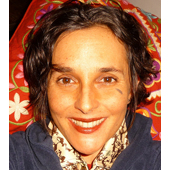
Psychiatric survivor activism is a vital force changing American mental health care, leading the way in human rights reforms and challenging pharmaceutical company corruption long before the scandals of today’s headlines.
What is this history of the movement, what challenges does it face today, and are there dangers of cooptation and reformism? Join cultural anthropologist Gabriella Coleman to explore the lessons of the Mad Movement.
- Show topics:
- Activism
- History
- Human Rights
- System Abolition

















 Creative Commons 2.5 copyright
Recent Comments