
Professionals
Family Homes | Carina Håkansson
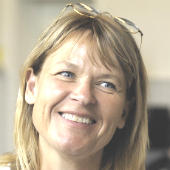
What if ordinary families could provide care for people psychiatry has given up on? Is there a way out for people stuck long-term as mental patients? Can human relationships and living together be more effective than medications, diagnosis, and hospitals?
Carina Håkansson’s values wouldn’t allow her to work in the traditional psychiatric system in Sweden. She left to create the Family Care Foundation, providing foster homes, therapy, and supervision for people with psychosis and extreme emotional distress. What can we all learn from this visionary — and simple — solution?
http://www.familjevardsstiftelsen.se
http://bit.ly/1l8KYQz
http://www.madinamerica.com/2013/04/carina-hakansson-family-care-foundation/
Indian Country Psychology: David Walker

How is the legacy of colonialism impacting American Indian mental health today? Does the Indian Health Service meet the needs of the people on tribal land? Can Native peoples revitalize cultural traditions and reverse centuries of racism?
David Walker, mixed-heritage Cherokee, psychologist working at the Yakama Nation, and author of the award-winning novel Tessa’s Dance, discusses healing the deep wounds of intergenerational trauma in Indian Country.
Psychology of Power: David Bedrick
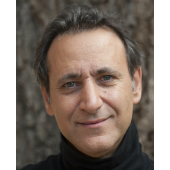
Does psychotherapy cover up issues of power and social justice? Are talk show therapists providing help, or blaming individuals for their problems?
David Bedrick, counselor, attorney, and author of Talking Back to Dr. Phil: Alternatives to Mainstream Psychology, discusses how to discover profound meaning in our struggles by taking the time to understand the deeper context of our lives.
Unmaking Diagnosis: Gary Greenberg
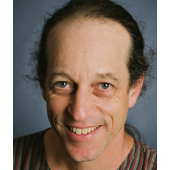
Why did the fifth edition of the Diagnostic and Statistic Manual become so controversial? Is it possible to alleviate human suffering without classifying it as a mental disorder?
Gary Greenberg, psychotherapist, author of Manufacturing Depression and The Book of Woe: The DSM and the Unmaking of Psychiatry, and journalist for Harper’s, the New Yorker, and Rolling Stone, discusses the politics behind psychiatry’s new Bible.
Meaning of Medications: David Cohen

Why does the same psychiatric drug help one person – but harm another? Do psychiatric medications “work” by chemistry alone – or through expectation, placebo, and social factors? What is the difference between prescribed medications and mind altering substances like alcohol?
David Cohen, social work professor at Florida International University and co-author of Your Drug May Be Your Problem, discusses the role of social context in constructing how we experience psychiatric medications.
http://www.criticalthinkrx.org
http://bit.ly/15tSAXH
http://rscphsw.fiu.edu/social_work/faculty_cohen.html
Multiple Worlds: Anusuya StarBear
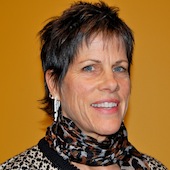
Is it possible to navigate the “multiple worlds” that emerge during psychotic experiences? Are voices and altered states also like a shamanic journey, needing guidance to find your way?
Anusuya StarBear has heard voices and gone through altered states her whole life. A tragic near-death experience 20 years ago left her with severe and chronic physical pain — and the calling to be a healer. Today visionary painting and Native American spirituality transform her pain into a creative pathway as a Process Oriented therapist, coach, and energy healer.
Madness and Renewal: Michael Cornwall
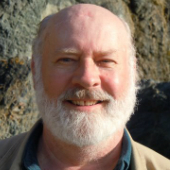
What if people struggling with madness could explore their emotions in a supportive sanctuary? Do frightening ‘psychotic’ experiences have the power to transform and heal? Is breakdown also breakthrough?
Michael Cornwall became a therapist after surviving his own crisis — without medication or psychiatric treatment. For more than 30 years he has worked in the tradition of Carl Jung and R.D. Laing to support people to go through psychotic states in medication-free community settings, including John Weir Perry’s Diabasis House in the 1970s.
http://www.madinamerica.com/author/mcornwall/
http://altmentalities.files.wordpress.com/2012/02/michael-cornwall-diss.pdf (PDF)
Healing Sex: Staci Haines
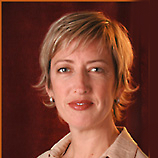
Childhood sexual abuse is pervasive in our society, leaving lifelong wounds that affect men as well as women. Is it enough to hold perpetrators accountable, or are there deeper causes of abuse? Do police, courts, and child protection services help heal — or lead to more trauma? And how can body-oriented approaches move beyond the limits of talk therapy?
Child sexual abuse survivor Staci Haines, author of Healing Sex: A Mind-Body Approach to Healing Sexual Trauma and co-founder of Generation Five, discusses transformative justice and liberating society from child abuse.
http://www.generationfive.org
http://www.generativesomatics.org
http://bit.ly/MrJeRp
Meaning From Voices: Eleanor Longden

Hearing voices is strongly connected with traumatic experiences, but are voices a brain malfunction or a creative strategy for protection?
UK psychologist Eleanor Longden survived a diagnosis of paranoid schizophrenia and went on to be a leading researcher around voice hearing, trauma, and dissociation. She is a pioneer in the movement to understand voices as a normal human experience — and truly help people by healing trauma.
http://ind.pn/3ltxoe
http://bit.ly/NjDA77
http://bit.ly/z01Fhn
Ethical Therapy: Toby Watson
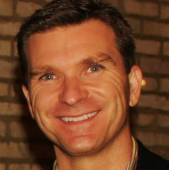
Can psychotherapy be a replacement for medication for psychosis and extreme states? Should therapists hospitalize suicidal clients against their will — even when they could be traumatized by the very care intended to protect them?
Dr. Toby Watson, clinical psychologist, discusses how to be an ethical therapist in an era of medications, diagnostic labels, and forced treatment.
- Show topics:
- Art
- Coming Off Meds
- Professionals
- System Abolition
Bipolar Children: Sharna Olfman

Why are so many children being diagnosed bipolar? Do medications treat disease – or just keep children under control? What else can parents do when faced with difficult behavioral problems?
Sharna Olfman, Psychology Professor at Point Park University and editor of the book Bipolar Children, discusses the growing social and economic pressures to label children bipolar.
Dignity of Elders: Carole Hayes-Collier
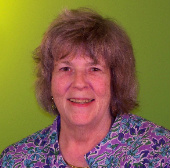
Why are nearly a third of all elders in nursing homes given anti-psychotic drugs, despite life threatening side effects? Are medications being used as chemical restraints? Can nursing homes be places of dignity — or should they be abolished?
Carole Hayes-Collier was diagnosed schizophrenic at 19 and left to a lifetime of hospitalization. When she recovered, the abuses she witnessed inspired her to join the Gray Panthers and dedicate her life to elder rights and mental health.
http://graypanthers.org
http://online.wsj.com/article/SB119672919018312521.html
http://www.canhr.org/stop-drugging
Talking About Suicidal Feelings: David Webb
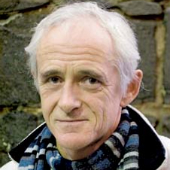
How common are suicidal feelings? Is a psychiatric illness behind suicidal despair — or a meaningful and even spiritual life crisis? Does forced hospitalization really provide help?
Suicide attempt survivor David Webb, author of Thinking About Suicide: Contemplating and Comprehending the Urge to Die, discusses how speaking openly about suicidal feelings, rather than reacting with panic and fear, is the best form of suicide prevention.
http://www.jungcircle.com/DWebb.html
http://thinkingaboutsuicide.org
Physics, Dreaming and Extreme States: Arnold Mindell
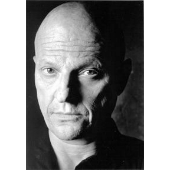
What is reality? Why do people in extreme states feel connected to the universe, and experience uncanny and even supernatural events? Does quantum physics have something to teach us about madness? What if therapists were like indigenous tribal shamans, entering into clients’ “psychotic” worlds as if stepping into a dream?
Arnold Mindell studied with pioneering scientists Richard Feynman and Norbert Wiener and then became a Jungian therapist and founder of Process Oriented Psychology. He discusses his more than 40 years of work with individuals and groups, including people diagnosed with psychosis, and the ancient belief in a purposeful dreaming reality behind everyday events.
http://www.aamindell.net/blog/books#arny
http://www.processwork.org/
http://www.sonic.net/~billkirn/mindell_interview.html
Therapy for Psychosis: Daniel Mackler
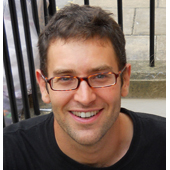
Can therapy reach people in extreme states of “psychosis” — without using medications? Do we need to give a diagnosis to help someone? Why are counselors afraid to listen to their “mad” clients?
New York psychotherapist and filmmaker Daniel Mackler discusses how be defied social work training in his work with people labeled with schizophrenia and bipolar, and what he learned from recent visits to successful treatment alternatives in Northern Europe. Daniel is the filmmaker of Take These Broken Wings and co-author with Matthew Morrissey of A Way Out of Madness.

















 Creative Commons 2.5 copyright
Recent Comments