
Social Justice & War
Dignity of Elders: Carole Hayes-Collier
Why are nearly a third of all elders in nursing homes given anti-psychotic drugs, despite life threatening side effects? Are medications being used as chemical restraints? Can nursing homes be places of dignity — or should they be abolished?
Carole Hayes-Collier was diagnosed schizophrenic at 19 and left to a lifetime of hospitalization. When she recovered, the abuses she witnessed inspired her to join the Gray Panthers and dedicate her life to elder rights and mental health.
http://graypanthers.org
http://online.wsj.com/article/SB119672919018312521.html
http://www.canhr.org/stop-drugging
Exporting Mental Disorders: Ethan Watters
How did pharmaceutical giant Glaxo Smith Kline create “depression” in Japan — and a billion dollar market for its anti-depressant drug Paxil? Why do people diagnosed with schizophrenia recover more in Tanzania than they do in the US? Can western-style psychotherapy help tsunami survivors in Sri Lanka?
Ethan Watters, author of Crazy Like Us: The Globalization of the American Psyche, discusses how mental disorders are cultural products, defined in the US and then exported around the world.
Schizophrenia and Black Politics: Jonathan Metzl
How did the definition of schizophrenia change during the civil rights and Black Power era of the 1960s? Why did a disease primarily affecting withdrawn white housewives suddenly become focused on angry and “paranoid” African American men instead?
Psychiatrist and historian Jonathan Metzl, author of The Protest Psychosis: How Schizophrenia Became a Black Disease, discusses racism and social control in psychiatric diagnosis, and how Black protest was turned into a mental disorder and psychosis was a political tool.
jmetzl(at)umich(dot)edu
http://bit.ly/byOeIw
Violent Voices: Erica van den Akker
People who hear voices are no more violent than anyone else — but what about the small number of voice hearers that do actually commit violent crimes? Are medications and locked wards the best way to help those who act on their aggressive “command hallucinations?” What is the relationship between trauma, violence, and voices?
Dutch psychiatric social worker and Hearing Voices Movement member Erica van den Akker discusses her innovative counseling work with violent offenders in the Netherlands.
alpouvar1(at)tomaatnet(dot)nl
Prison Mental Health: Terry Kupers
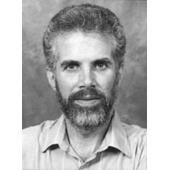
The US incarcerates more people than any country in the world – and 70% are people of color. Do we need better mental health care inside prisons — or do prisons themselves cause trauma and madness?
Psychiatrist and civil lawsuit expert witness Dr.Terry Kupers, author of Prison Madness: The Mental Health Crisis Behind Bars and What We Must Do About It, discusses overcrowding, racism, sensory deprivation, isolation, and sexual abuse in the disgraceful US prison system.
http://www.afsc.org/stopmax
http://www.criticalresistance.org
http://www.aclu.org/prisoners-rights
School Bullying: Dawn Menken
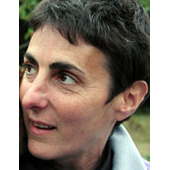
What are the lasting impacts of taunting, teasing, and physical harassment between children? Why are kids who are different singled out and picked on? What can parents do if their children are victims of bullies?
Psychotherapist, parent, and process worker Dawn Menken, author of Speak Out! Talking About Love, Sex & Eternity, discusses her work with public schools and families to break the cycle of bullying.
dmenken(at)igc(dot)org
Depression And Oppression: Alisha Ali

Is depression a result of poverty? How can community development and economic empowerment affect mental health?
Psychology professor Alisha Ali discusses the dangers of turning social problems into medical disorders, including bias in diagnosis, limits of “cultural competency” and “anti-stigma” initiatives, and the experiences of immigrant women.
Homelessness And Mental Health w/ Marykate Connor

Marykate Connor, founder of Caduceus Outreach Services in San Francisco, talks about her innovative work helping homeless people with mental health problems. She discusses the criminal justice system, the decline of services since the 1970s, medication policies, poverty, and what led her to create one of the most innovative and effective homelessness programs in the country.
marykate_caduceus (at) sbcglobal (dot) net
http://www.caduceusoutreachservices.org
Live Through This Anthology: Sabrina Chapadjiev
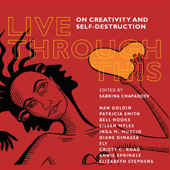
Editor Sabrina Chapadjiev discusses the new Seven Stories Press anthology Live Through This: On Creativity and Self Destruction, a rich collection of women artists sharing intimate accounts of cutting, alcoholism, suicide, abuse, madness and other self harm and how it relates to their creativity.
Authors include bell hooks, Bonfire Madigan Shive, Patricia Smith, Annie Sprinkle, Inga Muscio, Kate Bornstein, and Nicole Blackman.
Black Mental Health UK: Philip Morgan
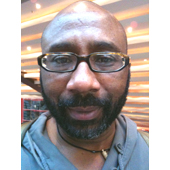
Blacks in the UK are much more likely than white people to be locked up, put on drugs, and mistreated in the mental health system.
Social scientist Philip Morgan of London’s Tower Hamlets African and Caribbean Mental Health Organization (THACMHO) discusses the legacy of slavery, survivor-run advocacy for system change, and an innovative project reclaiming Black identity through historical research.
Psych Diagnosis Bias: Paula Caplan
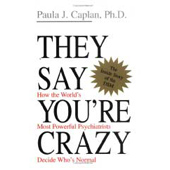
Harvard University faculty Paula Caplan, author of They Say You’re Crazy: How The World’s Most Powerful Psychiatrists Decide Who’s Normal and editor of Bias In Psychiatric Diagnosis.
Paula was on one of the writing committees for the DSM and offers an insightful perspective on the politics behind psychiatric pseudo-science. She discusses mental disorder labeling, including bipolar and post-trauma stress disorder, from a feminist perspective.
Forced Drugging and Treatment with Journalist Philip Dawdy

Award-winning journalist Philip Dawdy, formerly a writer with the Seattle Weekly newspaper, discusses how forced psychiatric treatment and drugging are ineffective responses to violent crime and the so-called “dangerous mentally ill.” Philip is the writer of the excellent blog about Big Pharma profiteering and mental health policy
South Africa Activism: Moosa Salie
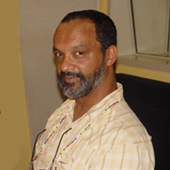
Capetown South Africa survivor activist Moosa Salie talks about mental health organizing in Africa and beyond, and work to establish the Ubuntu Center for alternative support.
Check out Moosa’s blog and the World Network of Uses and Survivors of Psychiatry at http://www.wnusp.net
Rights Organizing: Celia Brown
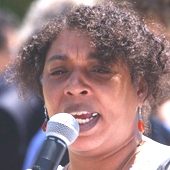
Psychiatric abuse survivor and human rights activist Celia Brown discusses working for change in the mental health system, including her ownn experiences and creating “supported decision-making” for people in distress.
Celia is President of Mindfreedom International and a board member of the National Association of Rights Advocacy and Protection.
Colonialism and Native Mental Health: Stella Montour
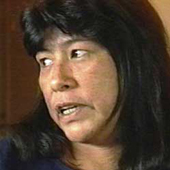
First Nations Ojibway activist and psychiatric abuse survivor Stella Montour of Thunder Bay Ontario, Canada talks about colonialism and racism against native people, how they affect mental health, and her work for change.

















 Creative Commons 2.5 copyright
Recent Comments