
Human Rights
Healing Veterans: Paula Caplan
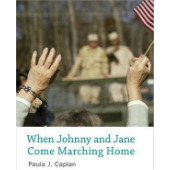
How can we truly help combat veterans facing the aftermath of war? Is veteran trauma a sign of mental illness, or a healthy response to violent situations? Are medications and therapy the answer?
Paula Caplan, author of When Johnny and Jane Come Marching Home: How All of Us Can Help Veterans, discusses healing the wounds of war by listening to the stories of veterans in our communities.
http://whenjohnnyandjanecomemarching.weebly.com
http://www.paulajcaplan.net
Dignity of Elders: Carole Hayes-Collier
Why are nearly a third of all elders in nursing homes given anti-psychotic drugs, despite life threatening side effects? Are medications being used as chemical restraints? Can nursing homes be places of dignity — or should they be abolished?
Carole Hayes-Collier was diagnosed schizophrenic at 19 and left to a lifetime of hospitalization. When she recovered, the abuses she witnessed inspired her to join the Gray Panthers and dedicate her life to elder rights and mental health.
http://graypanthers.org
http://online.wsj.com/article/SB119672919018312521.html
http://www.canhr.org/stop-drugging
Schizophrenia and Black Politics: Jonathan Metzl
How did the definition of schizophrenia change during the civil rights and Black Power era of the 1960s? Why did a disease primarily affecting withdrawn white housewives suddenly become focused on angry and “paranoid” African American men instead?
Psychiatrist and historian Jonathan Metzl, author of The Protest Psychosis: How Schizophrenia Became a Black Disease, discusses racism and social control in psychiatric diagnosis, and how Black protest was turned into a mental disorder and psychosis was a political tool.
jmetzl(at)umich(dot)edu
http://bit.ly/byOeIw
Violent Voices: Erica van den Akker
People who hear voices are no more violent than anyone else — but what about the small number of voice hearers that do actually commit violent crimes? Are medications and locked wards the best way to help those who act on their aggressive “command hallucinations?” What is the relationship between trauma, violence, and voices?
Dutch psychiatric social worker and Hearing Voices Movement member Erica van den Akker discusses her innovative counseling work with violent offenders in the Netherlands.
alpouvar1(at)tomaatnet(dot)nl
Prison Mental Health: Terry Kupers
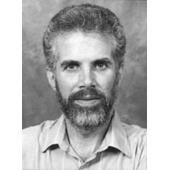
The US incarcerates more people than any country in the world – and 70% are people of color. Do we need better mental health care inside prisons — or do prisons themselves cause trauma and madness?
Psychiatrist and civil lawsuit expert witness Dr.Terry Kupers, author of Prison Madness: The Mental Health Crisis Behind Bars and What We Must Do About It, discusses overcrowding, racism, sensory deprivation, isolation, and sexual abuse in the disgraceful US prison system.
http://www.afsc.org/stopmax
http://www.criticalresistance.org
http://www.aclu.org/prisoners-rights
Autism Self Advocacy: Ari Ne’eman
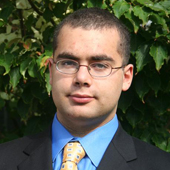
What does it mean to be autistic, have Asperger’s, or be on the autism spectrum? Is autism a disease to be overcome, or a difference to be embraced? Is autism advocacy like mad pride activism?
Ari Ne’eman, a person on the autism spectrum and director of the Autism Self Advocacy Network, discusses the autism movement’s challenge to what we consider “normal.”
Mad Movement Strategies: Gabriella Coleman
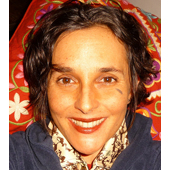
Psychiatric survivor activism is a vital force changing American mental health care, leading the way in human rights reforms and challenging pharmaceutical company corruption long before the scandals of today’s headlines.
What is this history of the movement, what challenges does it face today, and are there dangers of cooptation and reformism? Join cultural anthropologist Gabriella Coleman to explore the lessons of the Mad Movement.
- Show topics:
- Activism
- History
- Human Rights
- System Abolition
Forced Drugging and Treatment with Journalist Philip Dawdy

Award-winning journalist Philip Dawdy, formerly a writer with the Seattle Weekly newspaper, discusses how forced psychiatric treatment and drugging are ineffective responses to violent crime and the so-called “dangerous mentally ill.” Philip is the writer of the excellent blog about Big Pharma profiteering and mental health policy
Rights Organizing: Celia Brown
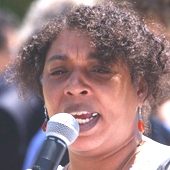
Psychiatric abuse survivor and human rights activist Celia Brown discusses working for change in the mental health system, including her ownn experiences and creating “supported decision-making” for people in distress.
Celia is President of Mindfreedom International and a board member of the National Association of Rights Advocacy and Protection.
Portland Police Training w/ Julie Diamond

After James Chasse, a man with a schizophrenia diagnosis, was killed by Portland police in 2006, reforms included improved police training. Julie Diamond discusses efforts to help teach police better de-escalation and conflict resolution techniques as an alternative to force and violence.
Check out http://www.mentalhealthportland.org, http://www.juliediamond.net, and another audio interview with Julie at http://www.katejobe.com/podcast.html
Michael Perlin: International Mental Health Rights
Leading legal scholar Michael Perlin discusses psychiatric rights around the world and the political uses of forced treatment, at the 2006 NARPA conference.
- Show topics:
- Human Rights
Police Violence: Jim Chasse, Portland Oregon
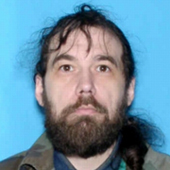
Portland Oregon police were exonerated after they beat and killed without provocation or cause Jim Chasse, a man labeled with schizophrenia.
- Show topics:
- Human Rights
- Police & Prisons
Delphine Brody: Policy Advocacy
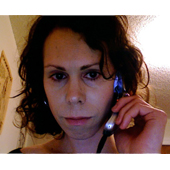
Delphine Brody is a psych survivor and advocate with the California Network of Mental Health Clients who has years of experience working for substantial policy change on the local, state, and national level.
Delphine also addresses efforts to stop forced outpatient commitment laws in California in the wake of the recent tragic murder of psychiatrist Dr. Wayne Fenton.
John McCarthy: Irish Mental Health Advocacy
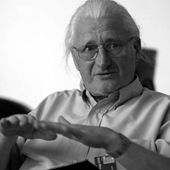
Ireland Activist and Poet John McCarthy, Mindfreedom International representative to the United Nations, discusses being “normally mad,” recovery, the UN Disability Convention, and challenging system abuses, in dialogue with Will Hall and co-host Oryx Cohen.
John also responds to callers, and reads a very moving poem about the death of a friend in the system. A very popular show.
Psychiatric Survivor Movement | Judi Chamberlin | Madness Radio
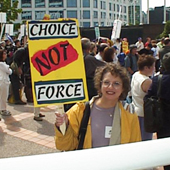
Judi Chamberlin is a leading organizer with the psychiatric survivors’ movement and one of its earliest initiators. She is author of On Our Own: Patient Controlled Alternatives to the Mental Health System and staff with the National Empowerment Center. Show is co-hosted by Cheryl Alexander.

















 Creative Commons 2.5 copyright
Recent Comments