
Books
Psychotherapy for Schizophrenia | Bert Karon

In schizophrenia really an “incurable illness” — or a state of chronic terror? Are there ways for psychotherapy to reach people in different realities? And can talk therapy offer a humane and empowering approach?
Bert Karon, psychoanalyst since 1955, co-author of the classic textbook Psychotherapy of Schizophrenia, and Professor of Clinical Psychology at Michigan State University, outlines psychoanalysis and discusses how his talking cure helps people diagnosed psychotic and schizophrenic.
http://psychrights.org/Research/Digest/Effective/BKaronTragedyofnoPsychotherapy4Schizophrenia.pdf
Healing Connection | Lauren Spiro

How do we recover from childhood violence? When Lauren Spiro was 14, her father was murdered. Eighteen months later, she began to have unusual spiritual experiences and was diagnosed with schizophrenia. Today she works to promote peace and healing in communities, fulfilling the vision she had in her extreme state.
Lauren is co-director of Emotional CPR, associate director of the National Coalition for Mental Health Recovery, and her new memoir is Living For Two: A Daughter’s Journey from Grief and Madness to Forgiveness and Peace.
http://laurenspiro.wordpress.com
www.ncmhr.org
www.emotional-cpr.org
Benzodiazepine Recovery: Matt Samet
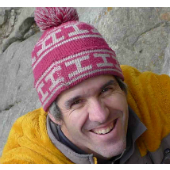
Are Xanax, Klonopin, Ativan and other benzodiazepines really more addictive than heroin? How can these common drugs for anxiety actually worsen the symptoms they’re prescribed to treat? What are the dangers of protracted withdrawal?
Matt Samet, former professional rock climber, Outside Magazine writer, and author of Death Grip: A Climber’s Escape From Benzo Madness, discusses his recovery journey from psychiatric drug addiction.
http://us.macmillan.com/deathgrip/MattSamet
http://www.madinamerica.com/2013/05/matt-samet-climbing-out/
Queer Poetry Inbetweenland: Jacks McNamara

Is trauma also a source of creative inspiration? Can sexual passion be a force for healing? And do we have to live in either/or boxes — or is there somewhere else?
Artist and activist Jacks McNamara, co-founder of the Icarus Project radical support community, discusses their recently-published anthology Inbetweenland, including poetry about being a genderqueer person, surviving with a broken heart, and how to travel the path from madness to the wounded healer.
http://www.ashley-mcnamara.net
http://www.theicarusproject.net
http://www.crookedbeauty.com
Beyond Biological Reductionism: Raymond Tallis

Can people’s behavior really be explained by neuroscience and our evolutionary needs as hunter-gatherers — or is this just a popular fad? Does understanding the brain really solve the mysteries of being human?
Neurologist Dr. Raymond Tallis, philosopher, Academy of Medical Sciences Fellow, and author of Why the Mind is Not a Computer and Aping Mankind: Neuromania, Darwinitis and the Misrepresentation of Humanity, exposes the bad science and faulty logic behind pop obsessions with the brain and evolutionary psychology.
http://www.raymondtallis.com
http://entertainment.timesonline.co.uk/tol/arts_and_entertainment/the_tls/article3712980.ece
http://www.newstatesman.com/culture/books/2012/09/your-brain-pseudoscience
- Show topics:
- Books
- Genetics
- Mad Science
- Neuroscience
- Philosophy
Bipolar Children: Sharna Olfman

Why are so many children being diagnosed bipolar? Do medications treat disease – or just keep children under control? What else can parents do when faced with difficult behavioral problems?
Sharna Olfman, Psychology Professor at Point Park University and editor of the book Bipolar Children, discusses the growing social and economic pressures to label children bipolar.
Healing Veterans: Paula Caplan

How can we truly help combat veterans facing the aftermath of war? Is veteran trauma a sign of mental illness, or a healthy response to violent situations? Are medications and therapy the answer?
Paula Caplan, author of When Johnny and Jane Come Marching Home: How All of Us Can Help Veterans, discusses healing the wounds of war by listening to the stories of veterans in our communities.
http://whenjohnnyandjanecomemarching.weebly.com
http://www.paulajcaplan.net
Talking About Suicidal Feelings: David Webb
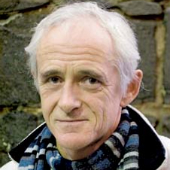
How common are suicidal feelings? Is a psychiatric illness behind suicidal despair — or a meaningful and even spiritual life crisis? Does forced hospitalization really provide help?
Suicide attempt survivor David Webb, author of Thinking About Suicide: Contemplating and Comprehending the Urge to Die, discusses how speaking openly about suicidal feelings, rather than reacting with panic and fear, is the best form of suicide prevention.
http://www.jungcircle.com/DWebb.html
http://thinkingaboutsuicide.org
Physics, Dreaming and Extreme States: Arnold Mindell

What is reality? Why do people in extreme states feel connected to the universe, and experience uncanny and even supernatural events? Does quantum physics have something to teach us about madness? What if therapists were like indigenous tribal shamans, entering into clients’ “psychotic” worlds as if stepping into a dream?
Arnold Mindell studied with pioneering scientists Richard Feynman and Norbert Wiener and then became a Jungian therapist and founder of Process Oriented Psychology. He discusses his more than 40 years of work with individuals and groups, including people diagnosed with psychosis, and the ancient belief in a purposeful dreaming reality behind everyday events.
http://www.aamindell.net/blog/books#arny
http://www.processwork.org/
http://www.sonic.net/~billkirn/mindell_interview.html
Exporting Mental Disorders: Ethan Watters

How did pharmaceutical giant Glaxo Smith Kline create “depression” in Japan — and a billion dollar market for its anti-depressant drug Paxil? Why do people diagnosed with schizophrenia recover more in Tanzania than they do in the US? Can western-style psychotherapy help tsunami survivors in Sri Lanka?
Ethan Watters, author of Crazy Like Us: The Globalization of the American Psyche, discusses how mental disorders are cultural products, defined in the US and then exported around the world.
Meanings of Madness: Gail Hornstein

Seamstress Agnes Richter was locked away in a mental asylum in the 1890s, and was so determined to have a voice that she embroidered her personal story onto the jacket she wore on the ward. What is the hidden history of people writing their own narratives of going insane? How important is it to listen to the experiences of “mentally ill” people? Is there meaning in madness?
Gail Hornstein, Mt. Holyoke College professor and author of Agnes’s Jacket: A Psychologist’s Search for the Meanings of Madness, discusses the work of the Hearing Voices Movement in the UK, peer run support communities including Freedom Center in the US, and why professionals should let patients speak for themselves.
Bipolar Medication Myths: Dr Joanna Moncrieff

Is bipolar disorder a disease? Can medications like lithium correct chemical imbalances and stabilize mood? Do psychiatric drugs act completely differently on the brain than recreational drugs?
UK psychiatrist Dr. Joanna Moncrieff, author of The Myth Of The Chemical Cure: A Critique of Psychiatric Drug Treatment, discusses how seeing psychiatric medications as treatments for disease misleads the public about how they actually work, and obscures their potential for abuse as tools of social control.
http://www.critpsynet.freeuk.com
http://www.academyanalyticarts.org/moncrieff.htm
http://www.mentalhealth.freeuk.com/howwork.pdf
Schizophrenia and Black Politics: Jonathan Metzl

How did the definition of schizophrenia change during the civil rights and Black Power era of the 1960s? Why did a disease primarily affecting withdrawn white housewives suddenly become focused on angry and “paranoid” African American men instead?
Psychiatrist and historian Jonathan Metzl, author of The Protest Psychosis: How Schizophrenia Became a Black Disease, discusses racism and social control in psychiatric diagnosis, and how Black protest was turned into a mental disorder and psychosis was a political tool.
jmetzl(at)umich(dot)edu
http://bit.ly/byOeIw
Prison Mental Health: Terry Kupers

The US incarcerates more people than any country in the world – and 70% are people of color. Do we need better mental health care inside prisons — or do prisons themselves cause trauma and madness?
Psychiatrist and civil lawsuit expert witness Dr.Terry Kupers, author of Prison Madness: The Mental Health Crisis Behind Bars and What We Must Do About It, discusses overcrowding, racism, sensory deprivation, isolation, and sexual abuse in the disgraceful US prison system.
http://www.afsc.org/stopmax
http://www.criticalresistance.org
http://www.aclu.org/prisoners-rights
Schizophrenia Psychotherapy: Catherine Penney

Can a severe, chronic case of “schizophrenia” ever recover? Is psychotherapy an alternative to medications? What role does trauma play in madness?
Hear the inspiring story of how Catherine Penney, RN, was catatonic and locked in a hospital back ward for years, and then emerged to create a new alternative healing community.
http://www.dantescure.com
http://www.desertgathering.com
http://www.iraresoul.com/dvd.html

















 Creative Commons 2.5 copyright
Recent Comments