
Mad Science
Beyond Biological Reductionism: Raymond Tallis
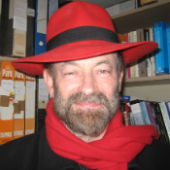
Can people’s behavior really be explained by neuroscience and our evolutionary needs as hunter-gatherers — or is this just a popular fad? Does understanding the brain really solve the mysteries of being human?
Neurologist Dr. Raymond Tallis, philosopher, Academy of Medical Sciences Fellow, and author of Why the Mind is Not a Computer and Aping Mankind: Neuromania, Darwinitis and the Misrepresentation of Humanity, exposes the bad science and faulty logic behind pop obsessions with the brain and evolutionary psychology.
http://www.raymondtallis.com
http://entertainment.timesonline.co.uk/tol/arts_and_entertainment/the_tls/article3712980.ece
http://www.newstatesman.com/culture/books/2012/09/your-brain-pseudoscience
- Show topics:
- Books
- Genetics
- Mad Science
- Neuroscience
- Philosophy
Amazonian Healing: Metsa Niwue
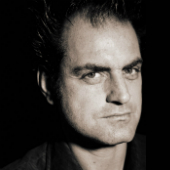
Shamans of the Amazon jungle heal the spirit by communicating with plants and singing people back to health. Can indigenous medicine, including the psychedelic ayahuasca, help anxiety, depression, and addiction? What do healers of Peru have to teach us about mental health?
Metsa Niwue, a curandero who has studied for more than sixteen years with the Shipibo and Quechua Lamista peoples, discusses the promise and potential dangers of traditional Amazonian plant medicine for the west. (transcript)
http://vegetalismo.org
http://www.neip.info/upd_blob/0000/982.pdf
Physics, Dreaming and Extreme States: Arnold Mindell
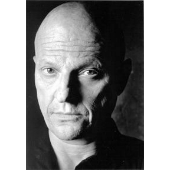
What is reality? Why do people in extreme states feel connected to the universe, and experience uncanny and even supernatural events? Does quantum physics have something to teach us about madness? What if therapists were like indigenous tribal shamans, entering into clients’ “psychotic” worlds as if stepping into a dream?
Arnold Mindell studied with pioneering scientists Richard Feynman and Norbert Wiener and then became a Jungian therapist and founder of Process Oriented Psychology. He discusses his more than 40 years of work with individuals and groups, including people diagnosed with psychosis, and the ancient belief in a purposeful dreaming reality behind everyday events.
http://www.aamindell.net/blog/books#arny
http://www.processwork.org/
http://www.sonic.net/~billkirn/mindell_interview.html
Bipolar Medication Myths: Dr Joanna Moncrieff
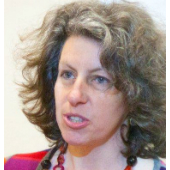
Is bipolar disorder a disease? Can medications like lithium correct chemical imbalances and stabilize mood? Do psychiatric drugs act completely differently on the brain than recreational drugs?
UK psychiatrist Dr. Joanna Moncrieff, author of The Myth Of The Chemical Cure: A Critique of Psychiatric Drug Treatment, discusses how seeing psychiatric medications as treatments for disease misleads the public about how they actually work, and obscures their potential for abuse as tools of social control.
http://www.critpsynet.freeuk.com
http://www.academyanalyticarts.org/moncrieff.htm
http://www.mentalhealth.freeuk.com/howwork.pdf
Mad Science Mad Pride: Bradley Lewis

What is the mad movement’s best response to science? How is mad pride different from gay pride? Do we want to become equal with “normal” people — or challenge the idea of normal itself? What about suffering and the risk of romanticizing madness?
Icarus Project organizer, psychiatrist, and theorist Bradley Lewis, author of Moving Beyond Prozac, DSM, and the New Psychiatry: Birth of Postpsychiatry, discusses the identity politics of madness.
http://www.theicarusproject.net
http://www.nyu.edu/gallatin/about/bios/bradley_lewis.html
Our Daily Meds: Melody Petersen
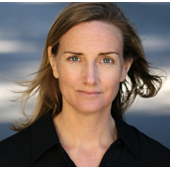
More than 100,000 people die in the US each year from prescription drugs — used as directed by their doctor. How did aggressive marketing make our health care system a cause of widespread sickness? Why haven’t government regulation or medical research been able to protect the public?
New York Times health reporter Melody Petersen discusses her new book, Our Daily Meds: How the Pharmaceutical Companies Transformed Themselves into Slick Marketing Machines and Hooked the Nation on Prescription Drugs.
Art and Schizophrenia: Louis Sass
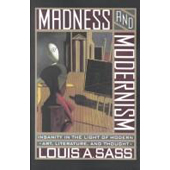
Does modern art, such as Artaud, Beckett, and Duchamp, parallel the mad frames of mind that get labeled “schizophrenia?” Is extreme sensitivity and inner self-consciousness behind artistic innovation and breaks with reality?
Rutgers University psychologist Louis Sass, author of Madness And Modernism: Insanity in the Light of Modern Art, Literature, and Thought, discusses art as an insight into the subjective inner world of madness.
- Show topics:
- Art
- Books
- Hearing Voices
- Mad Science
- Philosophy
Electroshock Deception: Linda Andre
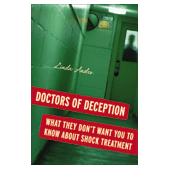
Why is ECT, electroconvulsive therapy or electroshock, so widely used today? How is the ECT industry manipulating research and public perceptions the way tobacco companies did about cigarettes? What are the real dangers of this lobotomy-era treatment?
ECT survivor Linda Andre discusses her groundbreaking new Rutgers University Press book, Doctors of Deception: What They Don’t Want You To Know About Shock Treatment.
Sane Medication Policy: Robert Whitaker
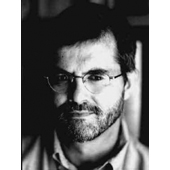
Has society’s embrace of psychiatric medications led to recovery — or chronic disability? What would honest medical policy and treatment standards be if they were free of pharmaceutical company corruption?
Pulitzer Prize finalist Robert Whitaker, author of Mad In America: Bad Science, Bad Medicine, and the Enduring Mistreatment of the Mentally Ill, discusses medications as a failed paradigm of care, and imagines what a sane alternative would look like.
- Show topics:
- Big Pharma
- Books
- Drugs
- Mad Science
- System Abolition
Birth Trauma w/ Annie Robinson

Labor doula and Icarus Project student organizer Annie Robinson talks about her experience in the mental health system as an adolescent, and how it led to her interest in changing medical birthing procedures and becoming a doula.
Annie discusses the trauma caused by doctor interventions in childbirth and its lasting effects on both children and mothers.
Anniewrobinson(at)gmail(dot)com
http://www.dona.org
http://www.motherfriendly.org
Madness and Technology: Jeffrey Goins

Long time Icarus Project organizer, open source computer software architect, and graduate doctoral student Jeffrey Goins discusses his psychiatric experiences and insights from the world of technology applied to the world of madness.
Topics include the Eli Lilly Zyprexa memos scandal and intellectual property rights; freedom in a surveillance society; prophecy and ancient wisdom, and the “end of forgetting.”
Genetic Predispositions? Jay Joseph

Clinical psychologist Jay Joseph details medical science’s 30-year failed quest to find any link between genetics and diagnoses of mental disorders, and debunks widely held beliefs in the psychiatric profession, including the idea of “genetic predispositions” for mental illness.
Jay is the author of The Missing Gene: Psychiatry, Heredity, and the Fruitless Search for Genes and The Gene Illusion: Genetic Research in Psychiatry and Psychology Under the Microscope.
Process Oriented Counseling with Joe Goodbread

Counselor and researcher Joe Goodbread discusses his more than 25 years experience working with madness and extreme states using Process Oriented Psychology, an innovative approach based in the work of Carl Jung and developed by Arnold Mindell.
Joe describes listening to the meaning in experience, helping people unfold their states, taoism, dreams, rank differences, and working with the body. Joe is a senior faculty at the Process Work Institute and author of The Dreambody Toolkit and Radical Intercourse.
Environmental Insanity w/ Author Derrick Jensen
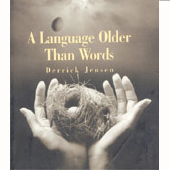
Visionary writer and thought-provoking environmentalist Derrick Jensen talks about the human-caused ecological collapse of the natural world, family trauma, technological brainwashing, indigenous societies, Scottish psychiatrist R.D. Laing, and the importance of rage in an undeniably insane world.
John Horgan: “The Undiscovered Mind”
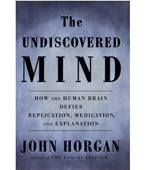
John Horgan, who has written for Scientific American, Discover, and the New York Times, talks about neuroscience, genetics, the placebo effect psychedelic drugs, and more.
John is the author of The Undiscovered Mind: How The Human Brain Defies Replication, Medication, and Explanation, Rational Mysticism, and The End of Science. He also hosts a video blog at http://www.bloggingheads.tv
- Show topics:
- Books
- Drugs
- Mad Science
- Neuroscience
- Philosophy
- Video

















 Creative Commons 2.5 copyright
Recent Comments